A sweet odor and poor cooling performance may stem from the same source. If your refrigerant is leaking, it can damage your heat pump. Besides impacting your family’s comfort, it can also result in higher energy bills. By getting your heating, ventilation, and air conditioning (HVAC) system repaired, you can ensure your Melbourne home is prepared for our humid weather.
Quick Takeaways
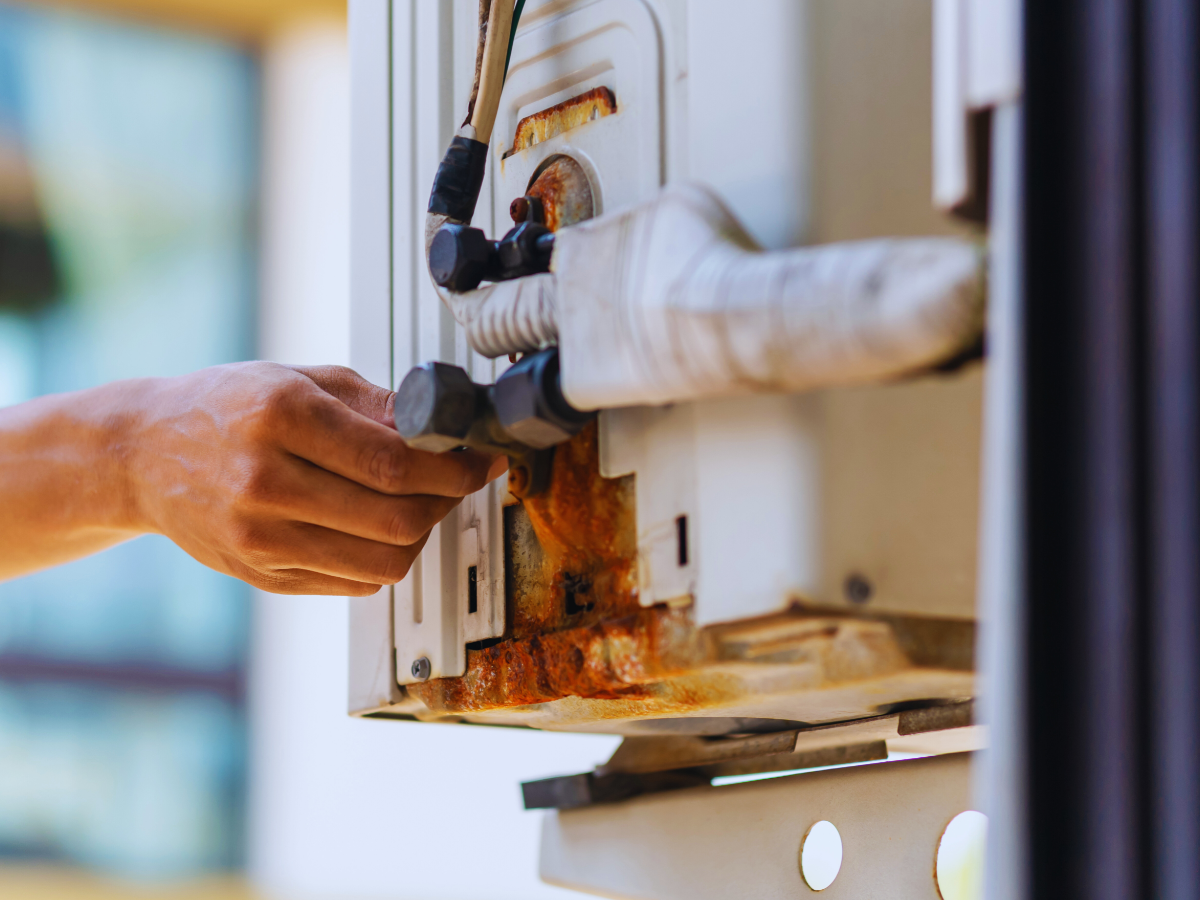 In a properly sealed system, it isn’t possible to use up the refrigerant. The only way refrigerant levels can be low is if there is a leak.
- When a leak occurs, it strains the compressor and leads to poor energy efficiency.
- Hissing noises, subpar performance, and ice buildup are common indications that you may have a leak.
- Unfortunately, Florida’s humidity and salt air can speed up the rate of corrosion. Over time, this increases the likelihood of leaks.
- By repairing refrigerant leaks quickly, homeowners can prevent heat pump damage.
What Does Refrigerant Do Inside a Heat Pump?
A heat pump’s refrigerant lines are responsible for absorbing and transferring heat. In the summer, it absorbs heat indoors and releases it outdoors. Then, the direction of heat transfer reverses in the winter.
The refrigerant exists in a sealed system. As long as no leaks occur, the refrigerant should never need to be recharged.
What Causes a Heat Pump Refrigerant Leak?
A leak can occur because of a few different causes.
Corrosion on Refrigerant Lines
Thanks to our coastal air and humidity, refrigerant lines can become corroded and develop leaks.
Loose Connections or Poor Installation
If the heat pump was installed poorly and has faulty fittings, a leak can happen. Over time, the vibrations of the unit can also loosen connections and allow refrigerant to escape.
Damaged Coils or Refrigerant Lines
Storm debris, lawn equipment, and normal wear can damage the coils and refrigerant lines.
Signs Your Heat Pump Has a Refrigerant Leak
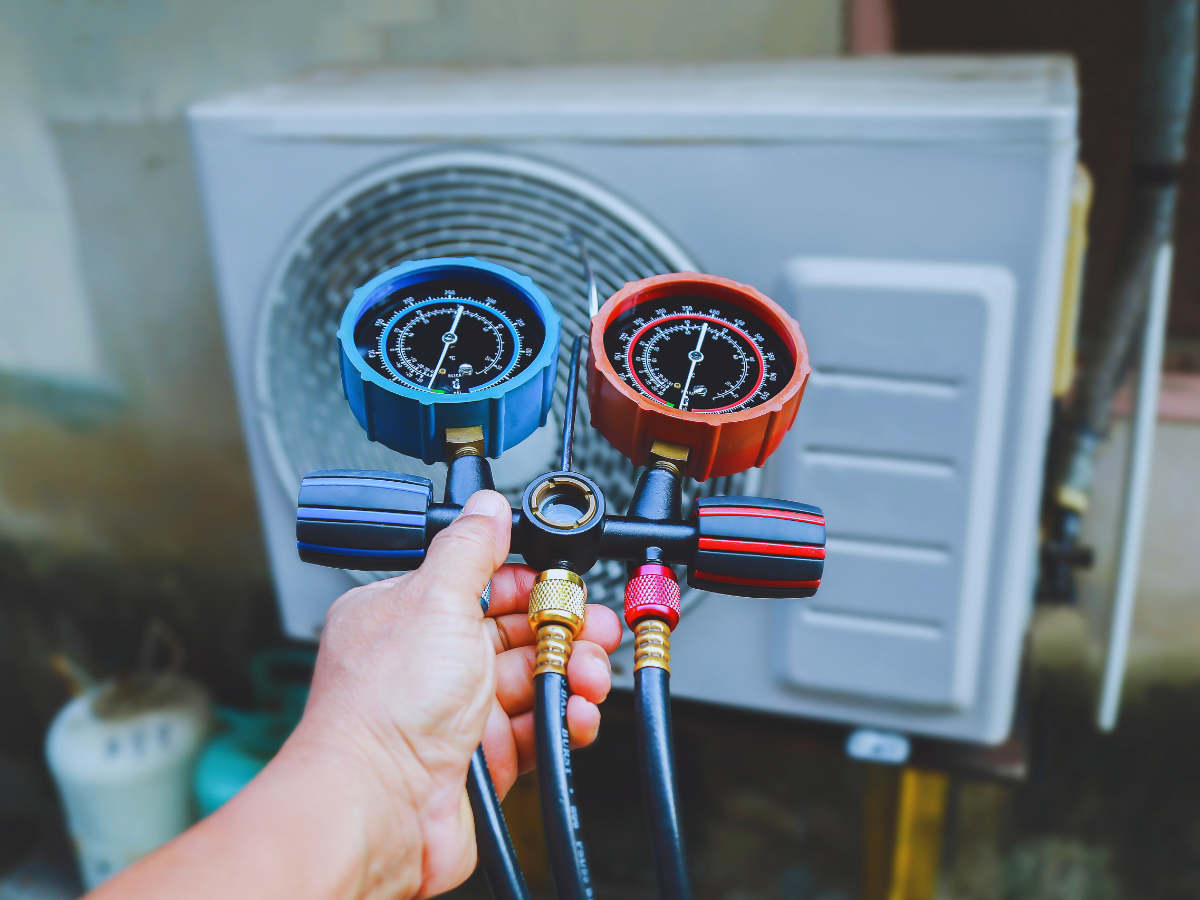 If you notice any of the following symptoms, you may have an issue with your refrigerant levels.
- Poor heating or cooling performance
- Ice buildup on the suction line and evaporator coil
- Higher electricity bills
- Extended runtimes
- Bubbling and hissing sounds
- Excess indoor humidity
Why a Refrigerant Leak Is Bad for Your Heat Pump
Leaks must be repaired promptly because of the lasting damage they can cause your heat pump.
Reduced Energy Efficiency
Low refrigerant levels mean your unit has to run longer to maintain your desired temperature, which increases your energy bills.
Compressor Damage
Eventually, the added strain damages the compressor.
Poor Indoor Comfort
Because the unit is struggling to heat and cool your home, your family will experience worse heat pump performance.
More Expensive Repairs Later
The extra wear and tear can damage delicate components. This increases the likelihood of costly repairs and unexpected breakdowns.
Can You Just Add More Refrigerant?
For multiple reasons, you can’t just add more refrigerant. Legally, HVAC refrigerants must be recharged by a certified technician.
Additionally, topping off refrigerant won’t solve the root cause. The underlying leak has to be fixed, or you’ll keep losing refrigerant.
How HVAC Technicians Fix Refrigerant Leaks
Our HVAC technicians can quickly fix the problem by locating the source of the leak. Then, we can repair the leak and replace any damaged components.
Once this has happened, we can recharge the refrigerant. Before we leave, we’ll test your system performance to ensure there are no more leaks present.
How To Prevent Refrigerant Leaks
To avoid future repairs, we recommend scheduling a spring and fall tune-up. Routine maintenance can prevent leaks from happening. If a leak does occur, scheduling timely repairs can stop it from causing additional damage.
FAQs
Is a refrigerant leak dangerous?
It can be. Exposure to refrigerants can be hazardous to your health and the environment. Because of this, there are federal rules about who can service refrigerant-based equipment. For your safety, you should get refrigerant leaks checked out right away.
Can a heat pump run with low refrigerant?
While a heat pump may be able to run with low refrigerant, it will have to work harder to achieve the same temperature. As a result, you’ll likely experience higher energy bills and more frequent breakdowns.
What does a refrigerant leak smell like?
You might not smell the leak at all because many refrigerants are odorless. If there is an odor, it will smell slightly sweet. Some people think the odor smells like nail polish remover or ether.
How much does it cost to fix a heat pump refrigerant leak?
It depends on the type of refrigerant involved and the extent of the leak repairs. While a minor leak may only cost a few hundred dollars, coil and line replacements can push the total significantly higher.
Should I repair or replace my heat pump?
It depends on the repairs involved, the age of your unit, and how often your heat pump breaks down. If repairs are worth half the cost of a new unit, you should generally just get a replacement. Similarly, a heat pump that is near the end of its lifespan should likely be replaced.
Improve Your Home’s Comfort
 If your refrigerant is leaking, you can’t afford to wait. Refrigerant leaks are unsafe, and they can harm your HVAC equipment. By working with One Hour Air Conditioning & Heating, you can make sure your heat pump is fully functional.
We’re always on time, or you don’t pay a dime. Learn more about our Melbourne heat pump services by reaching out to us today.