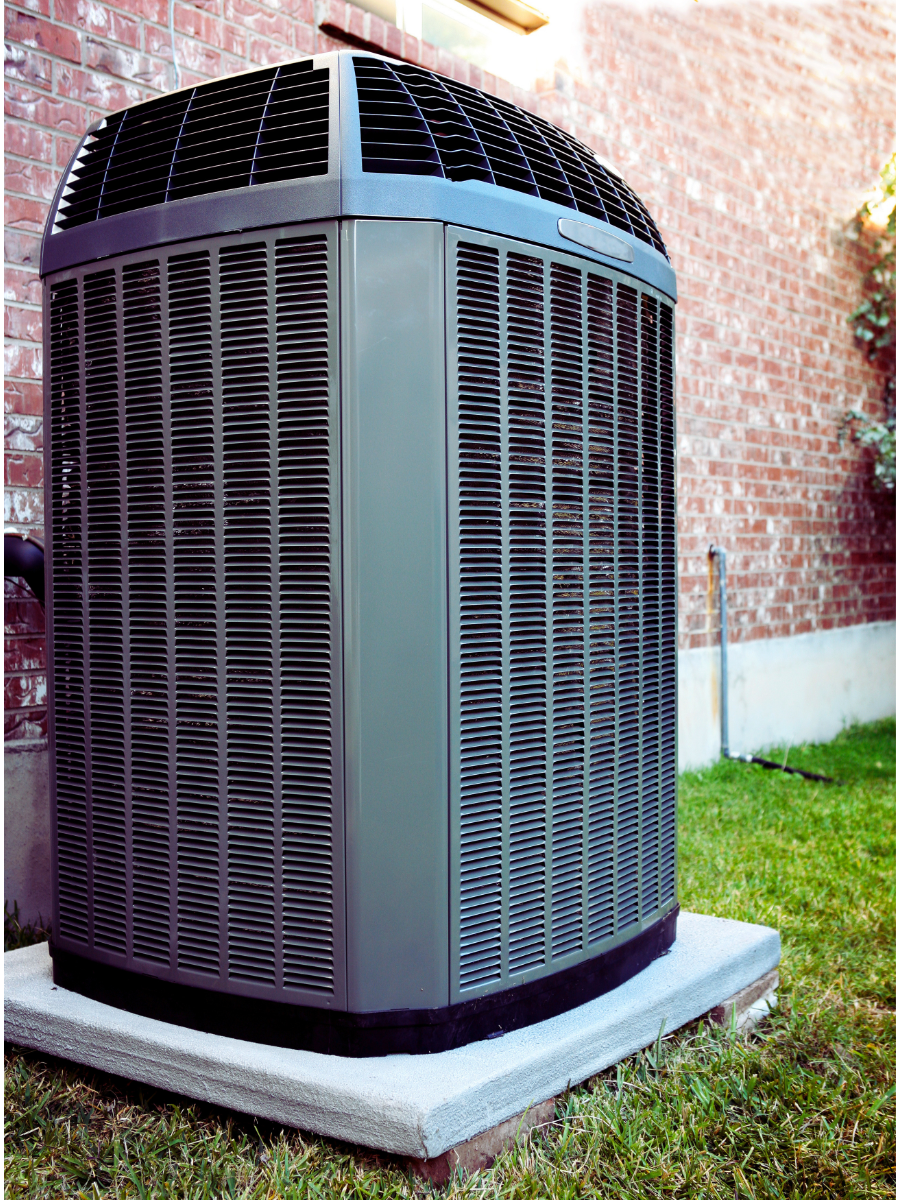
 There’s a wide range of factors that affect the cost of installing an air conditioner. Even if you’re installing the exact same type as your neighbor, the total price of the project probably won’t be the same.
By understanding the biggest cost drivers, it becomes easier to make informed decisions about your HVAC investment to save money and avoid surprises.
Quick Takeaways
- The size of the AC is one of the biggest cost drivers.
- Higher-efficiency systems generally cost more upfront, but they often deliver greater long-term energy savings.
- Whether you need ductwork or electrical upgrades has a big impact on the total cost.
- Don’t forget about permits; these may add to your project expenses.
- The more complex the install is, the higher the labor costs.
- A rock-bottom quote is usually too good to be true.
11 Factors That Affect AC Installation Cost
AC installation projects can quickly turn into a massive burden on your wallet when you don’t know what to expect. Here’s a close look at the top 11 factors that determine how much the install will cost.
1. The Size of the AC System
The bigger your house is, the larger and more expensive your new air conditioner is going to be. If you are trying to cool a home that is over 2,500 square feet, a small, standard unit just won’t cut it. You’ll need a higher-capacity setup to prevent annoying hot spots and keep the system from burning itself out.
2. The Type of Air Conditioning System
The style of cooling system you pick plays a massive role in what you will end up paying upfront. Standard central AC units are usually the cheapest route to go as long as your existing air ducts are in good shape. Upgrading to a versatile heat pump or putting ductless mini-splits in individual rooms will cost more but provide serious savings on cooling costs over the years.
3. SEER2 Energy Efficiency Rating
Opting for an AC with a high SEER2 rating may save money on monthly cooling, but these types cost more when compared to units with lower ratings. For many homeowners, though, the monthly energy savings more than make up for the higher upfront investment.
4. Ductwork Repairs or Replacement
If the HVAC technician tells you that your ductwork has holes or gaps in it, it’s crucial to spend money on having it fixed. Even if you install a brand-new air conditioner, it won’t be able to run at peak performance when all of the conditioned air escapes through damaged ducts.
5. Electrical System Upgrades
If your electrical panel doesn’t have enough capacity to support the new equipment, your project costs will increase. This is because the HVAC technician will have to spend time upgrading the electrical system to add the necessary circuits and breakers.
6. Installation Complexity
The shape and size of your house make a massive difference in how long your installation crew has to sweat to get everything running. Squeezing heavy equipment into a tight crawlspace or running copper lines up through the walls of a two-story home takes way more time and effort, and that extra clock time is exactly what pushes up the final labor cost.
7. Home Size and Layout
A home with large square footage and tall ceilings drastically expands the volume of air that the new system must condition. The setup may need special zoning configurations to accommodate the additional cooling demands. These types of adjustments and installation requirements make the project take longer and cost more.
8. Indoor Air Quality Add-Ons
Upgrading to a higher-efficiency media filter or choosing a system with an integrated air purification system is an excellent strategy for eliminating dust and circulating cleaner air into every room. Some homeowners also opt for targeted enhancements like germicidal UV lights, which actively neutralize airborne bacteria and mold spores within the ductwork.
While adding any of these specific air quality accessories bumps up the equipment and labor costs on day one, they dramatically improve your everyday indoor environment.
9. Permit and Code Requirements
The HVAC technician will walk you through the different permits you need. You cannot skip these because it’ll result in compliance issues and potential fines and fees from code violations.
In Melbourne, some homes need basic mechanical permits, while others also need electrical permits if the HVAC technician has to run new wiring, replace a disconnect switch, or modify the electrical service panel to handle the new load.
10. Brand and Equipment Features
Going with a well-known, premium brand usually costs a bit more upfront, but it pays off with better performance and warranties. If you choose a system with whisper-quiet fans, variable speeds, and smartphone controls, it’ll cost more, but you’ll love having an AC that perfectly aligns with your family’s actual cooling needs and natural rhythm.
11. Seasonal Demand
HVAC companies sometimes charge higher installation prices during the summer because they stay swamped with cooling projects. If you book during the offseason, you may be able to save some money and have an easier time finding an available technician.
Why Can Two AC Installation Quotes Be So Different?
 When you’re calculating the cost of your AC installation, it’s never a good idea to compare it to your neighbor’s project. Your home’s unique layout and size can make a project cost much more or much less. The warranty coverage you choose also plays a big role in the total investment; longer warranties tend to cost more.
Whether you opt for a system with advanced filtration or smart-home features can also have a noticeable impact on the final price. A project that requires replacing outdated or damaged ductwork will almost always cost more than a similar one that can use the existing ducts.
Frequently Asked Questions About AC Installation Costs
How much does AC installation cost in Melbourne, FL?
The total price depends entirely on your home’s unique layout, your chosen brand, and local permit fees.
What is the biggest factor that affects AC installation cost?
The air conditioner itself is usually the biggest factor, and it’s the home’s square footage and layout that determine what size equipment to install.
Does replacing ductwork increase AC installation costs?
Yes, when the technicians have to spend time tearing out old ductwork and replacing it with new materials, this adds to the cost of the project in both materials and labor.
Are high-efficiency AC systems worth the extra cost in Florida?
Yes, definitely. Many homeowners run their cooling systems in Florida for the majority of the year. Having a high-efficiency setup can provide drastic savings on cooling costs.
Why do AC installation estimates vary so much between companies?
Quotes differ because different companies have varying price ranges for their equipment, labor, and warranty services.
Can an old electrical panel affect AC installation costs?
Yes. If the technician has to update the panel with additional circuits or a higher-capacity breaker, this makes the project take longer and cost more.
Schedule Affordable AC Installation Today
 If you’ve received a project quote that seems too good to be true, it probably is. Extremely low estimates sometimes leave out important costs like permits, ductwork repairs, or warranty coverage.
When you want clear pricing for your AC installation, you need to call One Hour Heating & Air Conditioning. We’ll walk you through your different equipment options and explain the price differences between each. Whether you’re replacing an old system or installing one in a brand new home, we’re here to help you make a confident investment in your comfort.
Call One Hour Heating & Air Conditioning today to get a clear understanding of your AC installation options and costs. We’re always on time, or you don’t pay a dime!